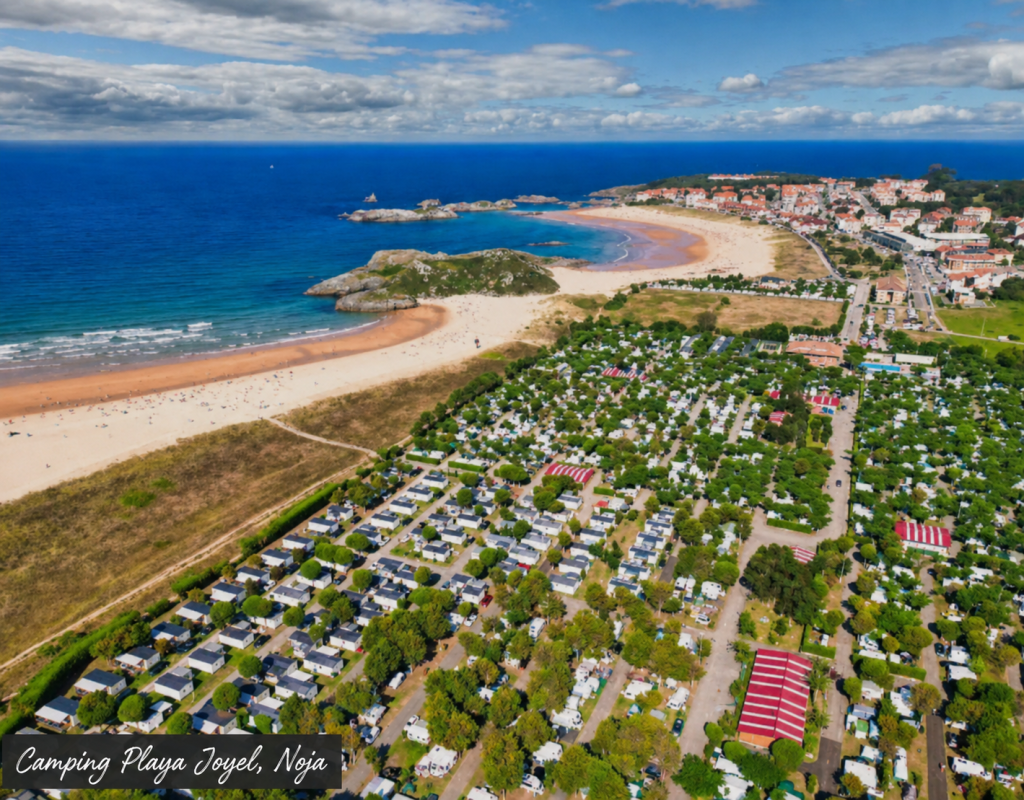
We are spending part of the summer at a campsite in north Spain with our six-year-old son and four-year-old daughter. Like many campsites, it is a relatively safe environment where children have a little more independence than they normally would. They have made friends, they go to the campsite shop by themselves to buy small things and, more recently, they have started making bracelets and selling them around the campsite.
Watching them do this, and listening to the questions they ask, made us think about how naturally children encounter economics in their everyday lives and they learn about prices, value and willingness to pay.
Take selling bracelets. The children need to decide what to make, how much to charge and whether other people will actually be willing to pay that price. If nobody wants to buy their bracelets, should they lower the price? Would people pay more for a more elaborate bracelet? What happens if other children start selling them too? Without knowing it, they are encountering some of the basic ideas behind demand, prices, costs and competition.
Then there is what happens when they take the money they have earned and go to the campsite shop. Suddenly, they are consumers. They have a limited amount of money and many things they might like to buy. Spending €2 on an ice cream means having €2 less to spend on something else. They might decide to buy something now, save their money for later or realise that something they want costs more than the money they have available.
These are economic decisions, and valuable lessons for life. They involve scarcity, choice and opportunity cost: because our resources are limited, choosing one thing usually means giving up something else.
A four- or six-year-old does not need to know the definition of opportunity cost or draw a demand curve. But understanding economic ideas does not have to begin with formal models. Children can learn that resources are limited, that choices have consequences, that prices contain information, that people respond to incentives and that the value we place on things can differ from one person to another. These ideas can be introduced through decisions they already understand, and this matters because economic decisions become considerably more important as we grow up.
Should I continue studying or start working? Should I spend my money now or save it? Is taking out a loan worth the cost? Why has the price of something I regularly buy suddenly increased? Why might a government tax some activities and subsidise others? Why do wages differ across jobs? What happens to my purchasing power when prices rise faster than my income?
These may look like very different questions, but economic concepts give us tools for thinking about all of them. Learning economics is therefore not simply about preparing someone to study economics at university or become an economist. It is part of understanding the world around us and making more informed decisions within it.
Perhaps we sometimes introduce economics too late because we imagine that it begins with graphs, equations and textbooks. But children are already making economic choices much earlier than that. Sometimes they are doing it while deciding what to buy with €5 at a campsite shop, and sometimes they are doing it while trying to sell you a bracelet.
 Daily Life Economics
Leave a comment