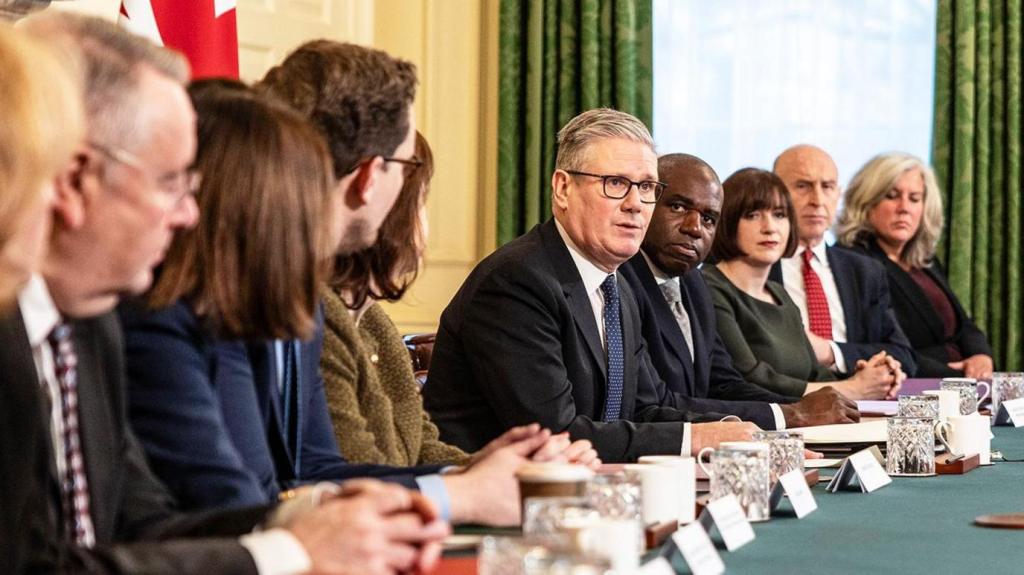
Over the last few days, speculation about the future leadership of the Labour Party has started to appear more frequently in newspapers, political commentary, and social media discussions. To be clear, Keir Starmer has not resigned, and this is still only speculation. But in economics, speculation itself can be extremely powerful.
The moment markets, firms, voters, or political actors begin to anticipate possible future outcomes, behaviour starts to change. Expectations influence strategy. Politicians reposition themselves, supporters shift alliances, journalists begin to frame possible scenarios, and potential candidates calculate whether entering the “game” is worthwhile. In economics, we study this type of strategic interaction through game theory: situations where each player’s best decision depends on what they believe the other players are likely to do.
If you have followed recent political discussions in the UK, you may already have noticed that there is more than one potential “player” in this game. Any possible leadership contender faces two simultaneous strategic challenges. First, they must gain enough support within the Labour Party itself. Second, they must convince party members, MPs, and voters that they can recover electoral support and win future elections.
The recent local election results matter in this context. Governing parties often perform poorly in midterm local elections, partly because voters use them as lower-cost opportunities to express frustration without changing the national government immediately. Political scientists and economists have long observed these “midterm punishment” effects across democracies (Tufte, 1975; Peltzman, 1992). However, the scale and direction of Labour’s losses also matter: the party appeared to lose support from several directions at once, with Reform UK gaining ground in traditional Labour areas, while the Greens and Liberal Democrats also challenged Labour in different parts of the electorate. These results do not automatically mean a leadership contest will happen, but they increase uncertainty inside the party, and uncertainty tends to increase strategic competition.
Some critics argue that Labour under Starmer initially focused heavily on attracting voters outside its traditional electoral coalition, attempting to appeal to previously Conservative voters. Economically, this resembles a firm repositioning its product to enter a new market segment. The challenge, however, is that moving too far from an existing customer base risks weakening loyalty among core consumers while still not fully convincing the new target market. More recently, Starmer appears to have shifted emphasis again, but political strategy, like market strategy, often depends on timing. Adjustments may be effective, but actors must also consider whether changes arrive early enough to influence expectations.
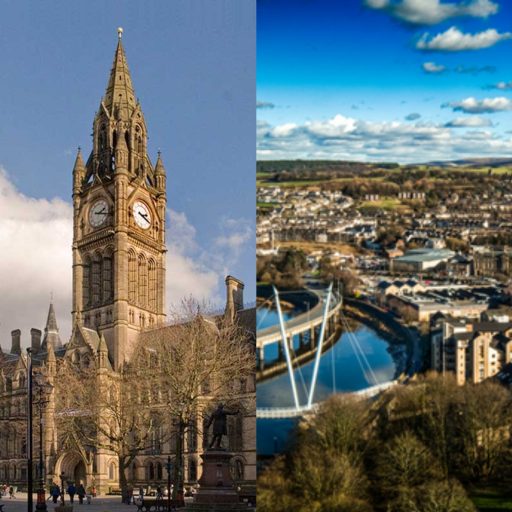
This is where the leadership speculation becomes more than just media noise. When a party loses support, potential challengers do not simply ask whether they want to lead; they ask whether the timing, the rules, and the internal balance of power make entry possible. One particularly interesting example is Andy Burnham, often referred to as the “King of the North” because of his popularity as Mayor of Greater Manchester. Only a few months ago, Labour’s National Executive Committee blocked him from standing in the Gorton and Denton by-election. Now, however, Makerfield MP Josh Simons has announced he will stand down, creating a possible route for Burnham to return to Westminster, and reports suggest Starmer will not try to block him this time. The question then becomes whether he can convert regional political capital into national leadership credibility, and, crucially, whether he can appeal to voters Labour appears to be losing to Reform UK to win the bi-election first. In other words, the strategic question is whether the “King of the North” can appeal beyond Greater Manchester, and whether he can compete effectively in the political space where Labour now feels most vulnerable.
From an economics perspective, this resembles market competition. Established firms sometimes use strategic behaviour to deter entry from potential rivals, protecting their dominant position and reducing future competition. Political parties can also shape internal competition through institutional rules, endorsements, candidate selection processes, and access to political networks. When barriers to entry are reduced, however, new challengers may find opportunities to position themselves more credibly.
Leadership contests involve signalling, reputation, expectations, strategic timing, coalition-building, and competition under uncertainty, all ideas economists study regularly.
For now, the discussion surrounding Labour leadership remains hypothetical. But even hypothetical contests can shape political behaviour long before any official challenge takes place. And perhaps that is one of the most interesting lessons from economics: sometimes expectations alone are enough to change the game.
References
Peltzman, S. (1992). Voters as fiscal conservatives. Quarterly Journal of Economics, 107(2), 327–361.
Tufte, E. R. (1975). Determinants of the outcomes of midterm congressional elections. American Political Science Review, 69(3), 812–826.


Leave a comment